



Meet Dharamveer Pal, A Man With Wings For Legs!
Dharamveer’s journey showcases determination and cricket’s unifying spirit.

Visa: Empowering Women and Transforming India
In a span of just one year, Visa has benefitted over 8,800 rural women across 4 states in India

Technology & Teachers: Forging the Future Of India
BenQ and the global teacher prize recipient, Ranjitsinh Disale have introduced Interactive Flat Panels in 20 Zilla Parishad schools in Solapur, Maharashtra.
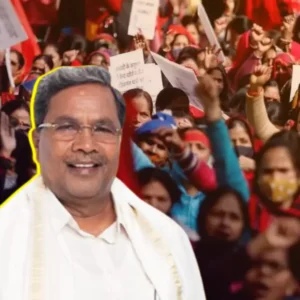
Karnataka Govt Announces August Launch of Free Power & Women’s Monthly Allowance Schemes
Starting on August 1st, Griha Jyoti scheme will provide 200 units of electricity to households. Following that, on August 17-18, the government will also introduce Griha Lakshmi scheme, which will offer monthly assistance of Rs 2000 to women heads of families.
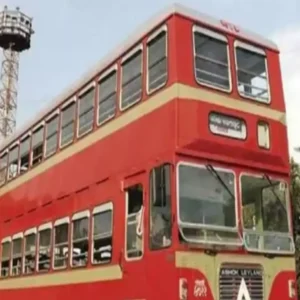
West Bengal Govt Launches Buses With Air Purifiers In Kolkata To Fight Pollution
The Bus Roof Mounted Air Purification System (BRMAPS), named ‘Suddha Vayu,’ is the first of its kind in the country, as per a statement issued by the West Bengal Pollution Control Board (WBPCB).
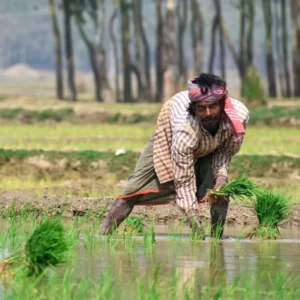
Maharashtra: Over 1 Crore Farmers To Get Rs 12,000 Annually
CM Shinde reiterated that the amount was in addition to the Rs 6,000 already being given to the farmers in instalments every year by the Centre under the Pradhan Mantri Kisan Samman Nidhi Yojana. The announcement implied that the state farmers would now get Rs 12,000 annually.
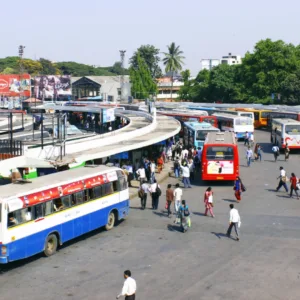
Karnataka Govt Announces Free Bus Travel For Women From June 1
The implementation of the scheme will be worked out during the next Cabinet meeting, as CM Siddaramaiah stated earlier. The departments concerned have been told to issue orders for its implementation.
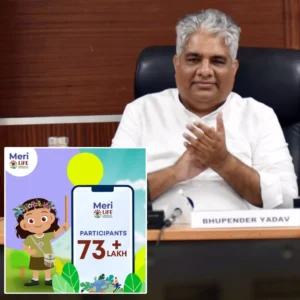
Centre’s New ‘Meri LiFE’ App Empowers Youth To Combat Climate Change
The government launched the ‘Meri LiFE’ mobile app to mobilize central ministries, state governments, institutions, and commercial groups to realign to spread awareness about sustainable practices. Encouraging and empowering the youth to tackle climate change
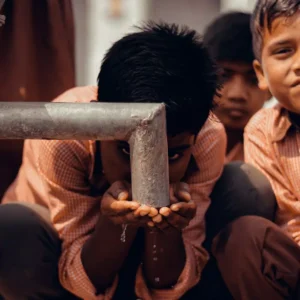
Jal Jeevan Mission Provides Safe Tap Water To 12 Crore Rural Households
The development, implementation, operations, and maintenance (O&M) of rural piped water supply projects have strongly emphasized community involvement to ensure the long-term sustainability of the programs.

Gaming In India: Battle Between Growth And Taxes?
India’s gaming industry is taking the world by storm, with over 300 million gamers and revenue of $2.8 billion in 2023. But with the possibility of a GST hike from 18% on GGR to 28% on Total Prize Pool, the industry’s future is uncertain. Will the GST council decide to favor the booming gaming industry, or will it face an existential threat? Check out this video to get a sneak peek into the current state of the gaming world and what lies ahead.
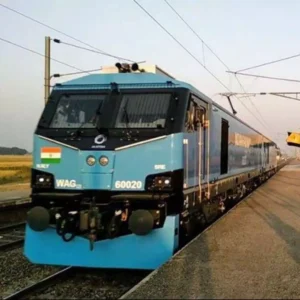
Indian Railways Earmarks Berths For Specially-Abled People In Select Trains
The Indian Railways has announced that berths, preferably lower ones, will be reserved in select, mail, and express trains for specially-abled passengers and their attendants.

Transforming Trash Into Treasure!
Join the kind community @efgorg
The Sattvic Soul Foundation team not only have actively participated in the collection of trash from their surroundings, but they have also gone a step further by reusing the waste materials on the occasion of Zero Waste day (March 30).
By transforming discarded materials into beautiful and useful items, the volunteers are not only showcasing their talent but taking a proactive approach towards waste reduction.


