




At a time when forests across India are shrinking due to deforestation, forest fires, illegal logging and shifting cultivation, one man from Manipur has shown that a single determined individual can reverse environmental destruction.
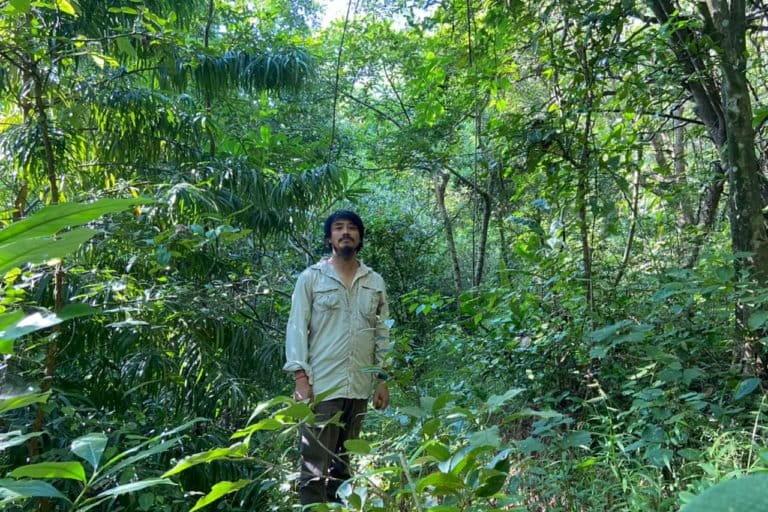
Moirangthem Loiya, an environmentalist from Uripok Khaidem Leikai in Imphal West district, has spent more than two decades transforming nearly 300 acres of barren land in the Maru Langol hill range into a thriving forest known as Punshilok, meaning “Spring of Life.”
His remarkable journey has become one of India’s most inspiring examples of grassroots ecological restoration and community-led conservation.
A Childhood Love for Nature Became His Life’s Mission
Loiya developed a deep connection with nature during his childhood. Growing up in Manipur, he frequently visited the sacred Koubru Hills, known for their rich biodiversity and dense forests.
However, after completing his college education in Chennai and returning home in the early 2000s, he was devastated to find that large parts of the once-lush Koubru forests had disappeared due to widespread deforestation, jhum (shifting) cultivation and recurring forest fires.
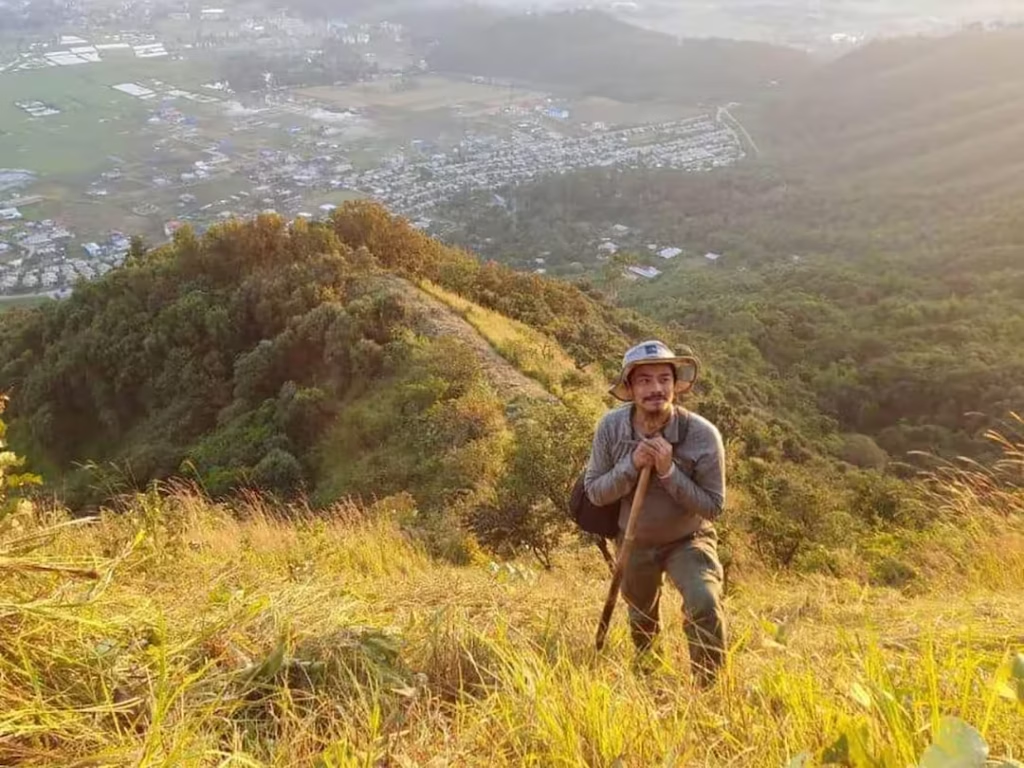
The destruction left a profound impact on him. Rather than accepting the loss, Loiya decided to dedicate his life to restoring nature. He later said that witnessing the damaged landscape gave him a strong desire to “give back to Mother Nature” for the destruction caused by human activities.
A Barren Hill Became the Beginning of a New Forest
Around 2002, while trekking through the Maru Langol hill range on the outskirts of Imphal, Loiya discovered a barren stretch of land that had been stripped of vegetation after years of forest fires and shifting cultivation. While most people considered the land beyond recovery, he believed it could once again become a healthy forest if native species were planted and protected.
To pursue this vision, he left his job as a medical representative and committed himself entirely to the restoration project. He built a small hut in the hills and lived there alone for nearly six years.

Every day, he planted saplings, carried water and seeds over long distances, removed weeds and protected young plants from grazing animals. Working with very limited financial resources, he relied largely on his own savings, with occasional support from his family, to continue the plantation effort.
Restoring Biodiversity Through Native Species
Years of relentless dedication gradually transformed the barren landscape into a flourishing forest spanning around 300 acres. Today, Punshilok supports more than 250 plant species, over 100 species of trees, approximately 25 species of bamboo and dozens of orchid varieties.
Native trees such as oak, teak, bamboo, jackfruit, fig, tamarind, mango and magnolia now thrive across the regenerated forest.

Rather than creating a commercial plantation, Loiya focused on restoring the natural diversity of the ecosystem. His long-term vision is to preserve indigenous plant species and develop the area into a living gene bank that safeguards Manipur’s native biodiversity for future generations.
Wildlife Returned as the Forest Recovered
The regeneration of the forest also encouraged wildlife to return. Species that had disappeared from the area gradually reclaimed their habitat as the vegetation became denser.

Today, Punshilok is home to migratory birds, owls, blue magpies, bulbuls, porcupines, barking deer, mongooses, snakes and numerous insects and reptiles. The restored ecosystem demonstrates that degraded forests can recover when they are protected with patience, scientific understanding and sustained care.
Protecting the Forest Through Community Action
Recognising that conservation requires collective effort, Loiya established the Wildlife and Habitat Protection Society (WAHPS), a voluntary organisation that works to safeguard Punshilok and promote environmental awareness. The organisation undertakes plantation drives, biodiversity monitoring, wildlife protection and campaigns against illegal hunting.

One of its key conservation measures is the creation of fire lines before the dry season. These cleared strips of land help prevent forest fires from spreading across the forest, addressing one of the biggest threats to Manipur’s fragile ecosystems.
Through continuous engagement with volunteers and nearby communities, WAHPS has helped ensure the long-term protection of the regenerated forest.
Inspiring Future Generations to Protect Nature
Loiya believes conservation begins by helping people build a personal relationship with nature. He often encourages schools to organise outdoor learning experiences where children can trek through forests, explore streams and observe wildlife firsthand instead of learning only through textbooks.
His widely quoted belief, “If they love nature, they will automatically save it,” reflects his philosophy that environmental stewardship grows from appreciation and understanding.

His work has received national recognition, including the Nature Conservancy Award from the Balipara Foundation in 2019. His inspiring journey has also been featured in documentaries such as The Jungle Man… Loiya and Meiram – The Fire Line, as well as by several national media organisations.
Many conservationists have compared his efforts with those of Jadav Payeng, popularly known as the “Forest Man of India,” because both have demonstrated how sustained individual commitment can restore degraded landscapes.

The Logical Indian’s Perspective
Moirangthem Loiya’s story is a powerful reminder that environmental restoration is not solely the responsibility of governments or large organisations. It can also begin with one individual who chooses to act with patience and purpose.
His transformation of a barren hillside into a thriving forest has revived biodiversity, protected wildlife and inspired communities to value nature. As India continues to face the challenges of climate change and ecological degradation, Punshilok stands as a living symbol of hope, resilience and the extraordinary impact that determined citizens can have in creating a greener and more sustainable future.
Read More: Guwahati Introduces Spot Fines Up To ₹25,000 To Keep Streets, Drains And Public Spaces Clean


