

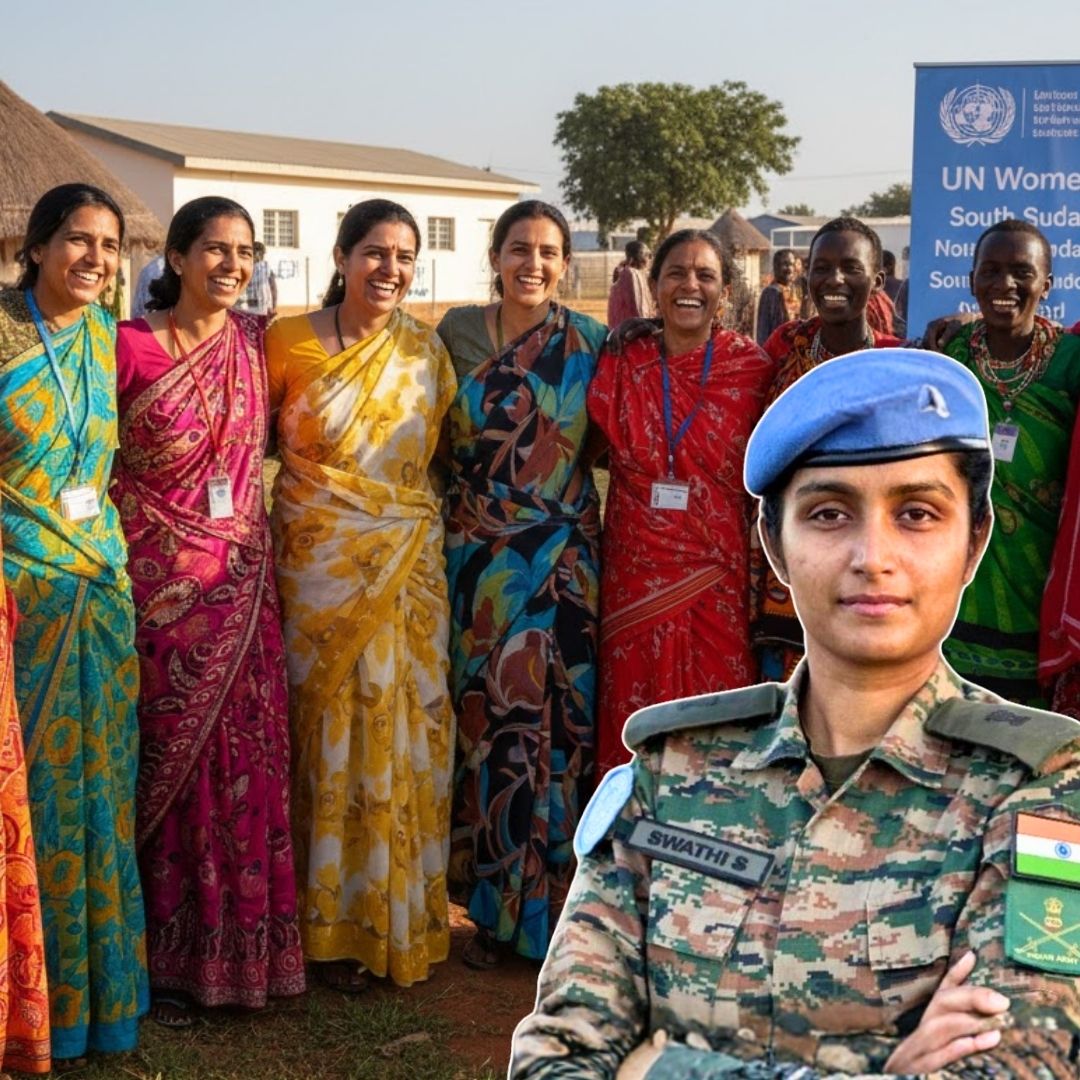
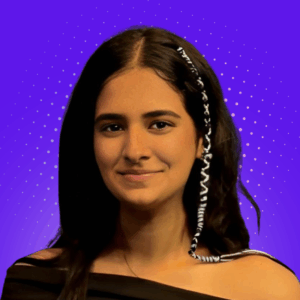
Major Swathi Shantha Kumar, a 31-year-old Indian Army officer from Bengaluru currently serving with the United Nations Mission in South Sudan (UNMISS), has been awarded the United Nations Secretary-General’s Award 2025 in the Gender Category for her leadership of a women-led peace initiative called Equal Partners, Lasting Peace.
Announced by United Nations Secretary-General António Guterres on 7 January 2026, the award recognises her work in advancing gender-inclusive peacekeeping and strengthening grassroots outreach to conflict-affected communities.
Shortlisted from nominations across all UN peacekeeping missions and agencies worldwide, the project received the highest number of votes among four finalists in a UN-wide voting process involving UN personnel globally.
Under her command, her team created safe environments and trust for more than 5,000 local women in South Sudan, enabling them to participate meaningfully in peace dialogues, community decisions and outreach activities. Her success highlights the growing role of women peacekeepers and India’s contribution to inclusive peace missions.
Women-Led Peacebuilding and Gender-Inclusive Engagement
Major Swathi heads India’s first all-female engagement team deployed to UNMISS, bringing a distinctive women-centred approach to peacekeeping in some of South Sudan’s most volatile and remote regions. Her initiative, titled Equal Partners, Lasting Peace, sought to break down long-standing barriers between peacekeepers and local women, who were often reluctant or unable to engage with uniformed personnel.
Through integrated land, riverine and air patrols, her team reached far-flung communities that had previously seen little sustained contact with peacekeeping forces. These patrols were not just security operations; they also carried out health outreach, created dialogue spaces and facilitated direct conversations to understand local concerns.
As a result, community members began to view the team as partners in rebuilding trust, rather than distant outsiders. The initiative focused on empowerment and participation, helping more than 5,000 women feel safe enough to step forward and take part in local peace talks and decision-making forums.
United Nations officials highlighted the importance of this work in strengthening the gender-inclusive approach of UN peacekeeping in line with its mandate to protect and empower civilians in conflict zones. Secretary-General Guterres praised the project for reinforcing gender parity and community engagement, saying it set an example for future operations in fragile contexts.
This recognition also reflects the UN’s broader emphasis on the Women, Peace and Security agenda, which emphasises the meaningful participation of women in peace processes as critical to long-term stability.
Major Swathi’s Journey and Personal Background
Originally from the Lingarajapuram area of Bengaluru, Major Swathi Shantha Kumar comes from a family without a military background. She is the eldest of three daughters, and her parents have expressed pride in her journey from civilian life to a globally recognised peacekeeper.
Before joining the Indian Army, she completed her schooling in Bengaluru and went on to train at the Officers’ Training Academy (OTA) in Chennai.
Her early army postings included service in challenging environments across India, including Kalimpong in West Bengal, the high-altitude sector of Ladakh and deployments in Gujarat, where she gained valuable operational and leadership experience. This diverse background helped prepare her for the complex realities of peacekeeping in South Sudan.
Since her deployment to UNMISS around 2024, she has led her team through intense operational challenges, often in regions where local trust in security forces was low and women’s voices were marginalised.
Her leadership style emphasises empathy, cultural sensitivity and adaptability, enabling her team to build rapport with communities and create spaces where women felt heard and protected. Her success in these efforts has made her a role model within the mission and inspired other peacekeepers to adopt similar gender-responsive approaches.
Family members have said she is likely to return to India in the coming weeks, where she may take up a training role to mentor young cadets and share insights from her peacekeeping experience. This transition reflects her continued commitment to nurturing the next generation of military leaders, particularly in areas of inclusive engagement and community-centred security.
The Logical Indian’s Perspective
Major Swathi’s recognition by the United Nations is an important reminder of the transformative impact that inclusive, empathetic leadership can have in contexts of conflict and instability. Her work underscores that peace is not just about the absence of violence but the presence of trust, dignity and participation.
By creating opportunities for women to engage actively in community decisions and peace dialogues, she has demonstrated how peacekeeping efforts can become more effective and humane when they listen to those most affected by violence and displacement. Her achievement aligns with The Logical Indian’s commitment to promoting peace, kindness, empathy and inclusive dialogue.