

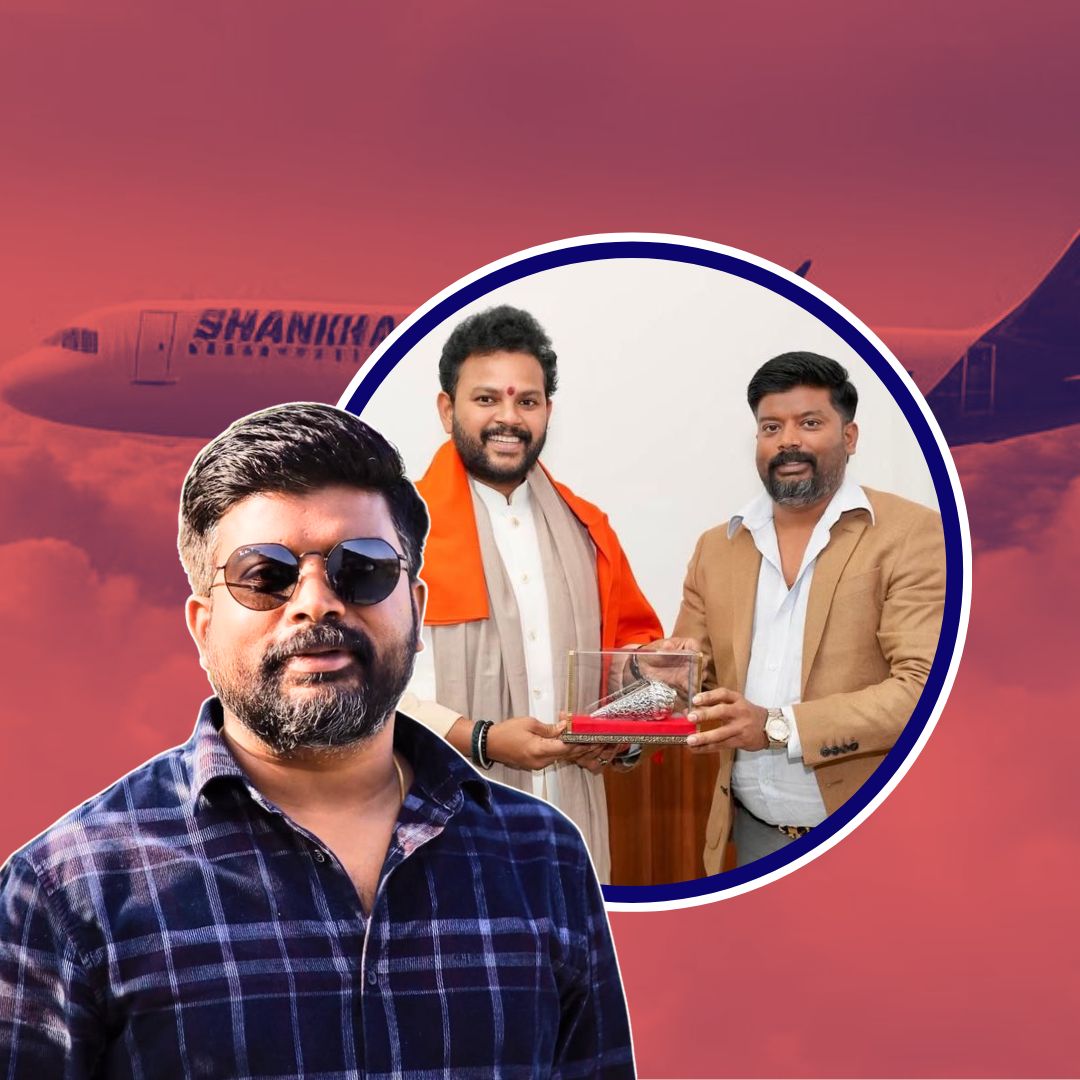

Shravan Kumar Vishwakarma, a former tempo and auto driver from Kanpur, now steers Shankh Air Uttar Pradesh’s pioneering scheduled airline which has clinched a crucial no-objection certificate (NOC) from the Union civil aviation ministry for operations starting mid-to-late January 2026.
Headquartered at the upcoming Jewar International Airport, the carrier will inaugurate with three leased Airbus A320-family aircraft, linking Lucknow to Delhi, Mumbai, Gorakhpur, Varanasi, Ayodhya, and other UDAN scheme destinations, with two more planes joining within 45 days to expand Uttar Pradesh intra-state and metro routes.
Vishwakarma promises stable, middle-class-friendly fares without festive spikes, while Civil Aviation Minister Ram Mohan Naidu Kinjaparu endorses such ventures to dismantle the IndiGo-Air India duopoly (over 90% market share), alongside recent NOCs for Al Hind Air and FlyExpress no bookings yet, as final DGCA air operator certificate (AOC) and slot allocations pend, amid India’s booming aviation with 15% annual domestic growth.
Streets to Skies: Vishwakarma’s Audacious Leap
Vishwakarma’s story is the heartbeat of this venture, transforming personal hustle into a fleet poised for takeoff. Once navigating Kanpur’s chaotic roads as a driver, earning modest wages amid daily uncertainties, he bootstrapped Shankh Trading into a logistics powerhouse with over 400 vehicles serving Uttar Pradesh’s hinterlands.
Spotting aviation’s potential as “efficient public transport akin to upgraded buses,” he pivoted in 2024, securing investments and leases without government subsidies, unlike some peers. Shankh Air’s debut fleet two A320s and one A321 targets underserved routes, promising business class at premiums accessible to professionals, not just tycoons.
“We’re not here to compete with giants on glamour but on reach and reliability flying should be for the common man,” Vishwakarma declared in recent interviews, underscoring his pledge for transparent pricing amid past industry gouging. This humanises aviation, spotlighting a self-made leader from Uttar Pradesh’s working class, where dreams often stall at economic barriers.
Regulatory Tailwinds Fuel a Transforming Landscape
The NOCs represent a seismic shift in India’s skies, engineered by proactive policymaking. Shankh Air navigated rigorous checks financial viability, safety audits, and route viability—following ministry nods last week, mirroring approvals for Al Hind (Gujarat-based) and FlyExpress.
This trio emerges as IndiGo grapples with engine woes and Air India consolidates post-Tata revival, with the market craving fresh blood amid passenger complaints on delays, high costs, and Tier-2 neglect. Minister Naidu emphasised in Parliament, “Opening doors to regional players ensures competitive fares, jobs (Shankh eyes 500 hires initially), and connectivity for 1.4 billion aspirations.”
Uttar Pradesh’s aviation surge Jewar as a mega-hub, Ayodhya’s post-ram temple boom, and UDAN’s 50+ revived airstrips provides fertile ground. Vishwakarma plans phased growth: Phase 1 for UP-metro links, Phase 2 nationwide by mid-2026, eyeing international hops (Dubai, Nepal) by 2028-29. Challenges loom slot crunches at Delhi-Mumbai, fuel volatility but leases from global lessors mitigate upfront costs, positioning Shankh as a nimble disruptor.
Broader Horizons: From Duopoly Grip to Inclusive Growth
India’s aviation narrative has long been one of concentration: IndiGo’s 60%+ dominance, Air India’s resurgence, and SpiceJet’s struggles left little room for innovators. Pre-Shankh, concerns peaked with 2025 fare hikes (up 20% during festivals) and route monopolies stifling tourism in places like Varanasi.
Vishwakarma’s entry, rooted in logistics savvy, counters this by prioritising regional equity think daily Lucknow-Gorakhpur flights halving travel time for pilgrims and traders. Historical parallels abound: GoFirst’s 2022 collapse underscored risks, yet government reforms like Viability Gap Funding and eased FDI have lured 10+ applicants since 2023.
Shankh’s no-frills model, blending low costs with UP pride (branding evokes resilience), could spark a ripple: more jobs in maintenance hangars, supply chains for local MSMEs, and empowered flyers from modest backgrounds.
The Logical Indian’s Perspective
Shankh Air soars as a testament to India’s boundless potential, where a tempo driver’s tenacity shatters glass ceilings, weaving threads of empathy, kindness, and harmony into a sector once reserved for the privileged few.
By nurturing dialogue on equitable access challenging monopolies while honouring coexistence between legacy giants and grassroots challengers it propels positive social change, uplifting communities through jobs, connectivity, and shared prosperity. True progress lies in such stories that inspire every underdog to dream bigger, fostering a kinder marketplace.