


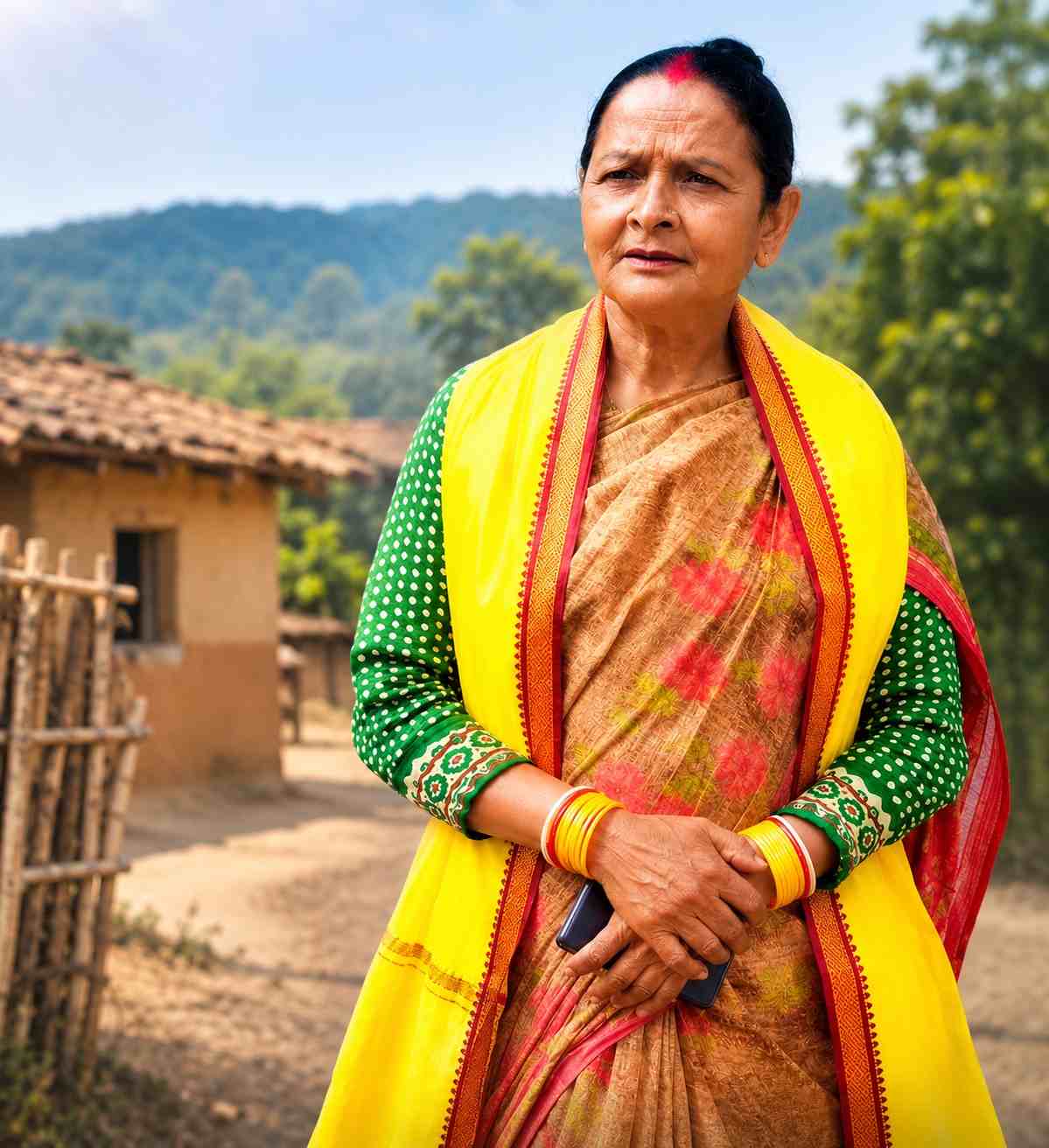

Grassroots reformer Chhutni Mahato confronts witch hunting as a Padma Shri awardee in Jharkhand activist circles, fighting anti superstition battles for women rights, driving social reform as a courageous survivor, leading the superstition fight for rural empowerment, stopping gender violence, ensuring community protection, upholding human rights, facilitating legal aid, and standing as an unsung hero. Across remote pockets of rural India, deeply entrenched superstitions continue to be weaponized against vulnerable women. Accusations of witchcraft (Daayan Pratha) are frequently used to marginalize widows, torture vulnerable women, or seize property under the guise of occult beliefs.
Surviving Torture And Banishment
Chhutni Mahato’s crusade against witch-hunting stems from personal tragedy. In 1995, while living in Mahatottola village in Jharkhand’s Seraikela-Kharsawan district, a neighbor’s daughter fell ill. Local village elders and occult practitioners (Ojha) falsely accused Chhutni of practicing black magic and causing the illness.
She was subjected to severe physical torture, public humiliation, and forced to consume human excreta. Her home was looted, and her family was fined heavily by village leaders. Fearing for her life and the safety of her three young children, Chhutni fled her ancestral village in the middle of the night, leaving behind all her possessions to seek refuge at her brother’s house in Birbans village.

Turning Pain Into Protection
Rather than retreating into silence after surviving extreme violence, Chhutni resolved to fight back. With assistance from local non-governmental organizations and law enforcement, she filed police complaints against her attackers and began educating nearby communities about the irrationality and illegality of witch branding.
Word of her resilience spread quickly across neighboring districts. Women facing similar accusations, torture, or eviction began seeking shelter at her home in Birbans. Chhutni opened her doors to these survivors, establishing an informal rehabilitation center that provides immediate medical assistance, food, emotional counseling, and legal backing to help persecuted women reclaim their lives.

Rescuing Dozens From Violence
Over the past three decades, Chhutni Mahato has personally rescued and rehabilitated over fifty women targeted by witch-hunting practices across Jharkhand. Her work involves direct, high-risk interventions: she frequently travels to remote villages upon receiving news of an impending assault, confronting aggressive mobs, local village councils, and complacent officials to save victims.
Beyond emergency rescues, Chhutni works tirelessly to dismantle the socio-economic motives driving witch accusations. She educates rural populations that illnesses and crop failures stem from medical and environmental causes rather than supernatural curses. Furthermore, she assists survivors in filing formal cases under the Prevention of Witch (Daayan) Practices Act, ensuring perpetrators face legal consequences.
National Recognition And Legacy
In 2021, the Government of India conferred the Padma Shri, the nation’s fourth-highest civilian award, upon Chhutni Mahato in recognition of her extraordinary courage and tireless service to human rights. Arriving at the Rashtrapati Bhavan in simple attire, she represented thousands of rural women whose voices had long been silenced by fear and superstition.
Despite national acclaim, Chhutni continues her grassroots work daily from her modest home in Jharkhand. She advocates for stricter enforcement of anti-superstition laws, enhanced medical infrastructure in rural areas, and better economic rehabilitation for survivors, proving that one individual’s determination can challenge centuries of harmful traditions.

The Logical Indian’s Perspective
Chhutni Mahato’s journey from a persecuted survivor to a national hero demonstrates the incredible power of individual courage. By standing up against cruelty and dedicating her life to protecting others, she has shone a bright light on the urgent need to eradicate superstitious violence from society. Combating harmful traditions requires strict law enforcement, quality rural healthcare, and sustained public education.
How can state governments strengthen legal enforcement and medical awareness in remote villages to completely eradicate witch-hunting practices?


