




Rakesh Gupta, a dedicated social entrepreneur who has spent over a decade working in remote rural landscapes, is redefining community livelihoods across the tribal belts of Rajasthan and Chhattisgarh. For generations, indigenous communities in these regions relied on gathering non-timber forest produce (NTFP) such as custard apple (sitafal), Indian blackberry (jamun), Indian gooseberry (amla), and tamarind (imli). However, lack of market access and heavy reliance on predatory middlemen historically deprived tribal gatherers of fair wages, leaving families in persistent financial insecurity.

Unlocking the Value of Forest Produce
Recognizing that raw forest produce could yield significantly higher returns through localized processing, Gupta founded the Gramshree Foundation Trust. The primary objective was straightforward: bridge the gap between forest collectors and urban food markets by establishing health-oriented, value-added processing units owned and operated by local communities.
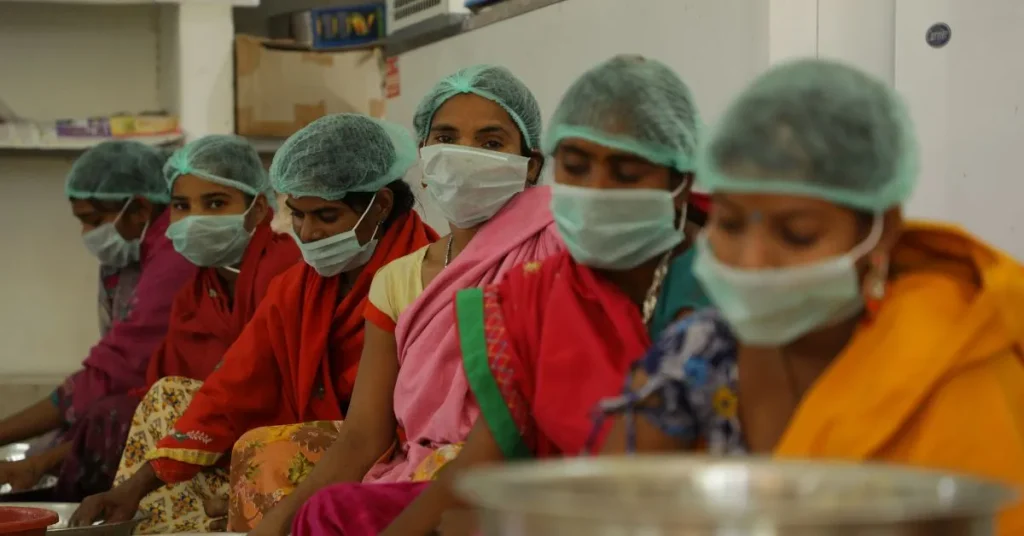
Instead of selling raw wild fruits at throwaway prices to local traders, tribal women organized into Self-Help Groups (SHGs) were trained to process fruits into high-quality intermediate and finished food products. By focusing on nutritional value and hygiene, Gramshree ensured that marginalized women received higher profit margins, transforming seasonal gathering into a reliable, structured source of income.

Building a Sustainable Hybrid Model
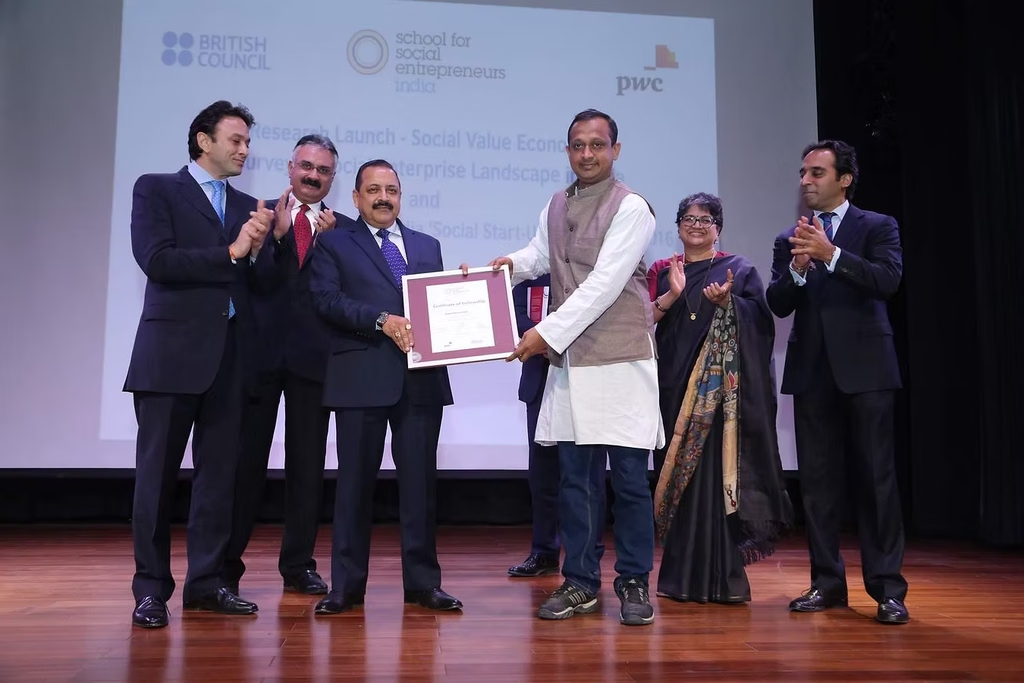
Building a sustainable grassroots organization in remote areas presented formidable financial and operational hurdles. Early in his journey, Gupta received guidance from his mentor, Ved Arya, founder of the Buddha Fellowships. The fellowship provided Gupta with a stipend during Gramshree’s crucial initial phase and facilitated a pivotal ₹2.5 million loan to finance expansion.
To balance social impact with commercial viability, Gupta developed a unique hybrid model: operating the non-profit Gramshree Foundation Trust alongside a for-profit entity, Gramshree Development Services. Under the banner of the Van Dhan Shakti initiative, this dual structure enabled Gramshree to scale its operations beyond its original base in South Rajasthan’s Udaipur and Rajsamand districts into the forest blocks of Chhattisgarh.

Diversifying Rural Livelihoods at the Grassroots
Beyond forest produce processing, Gramshree actively addresses broader rural vulnerabilities. During the COVID-19 pandemic, the organization mobilized emergency food and ration relief for distressed tribal households. Subsequently, Gramshree expanded its portfolio to include backyard poultry farming and community plant nurseries.
In villages across Udaipur’s Sayra Block, Gramshree emphasizes low-cost, locally adaptable solutions. Rather than constructing expensive concrete coops, participating women built poultry housing using natural bamboo harvested from their own farms. Gupta and his field team conduct regular on-the-spot reviews with smallholders to troubleshoot nursery plot management, monitor family health metrics, and encourage sustainable savings habits among women’s self-help groups.
Harmonizing Traditional Wisdom with Conservation
A core pillar of Gramshree’s methodology is environmental stewardship. To safeguard local forest ecosystems from over-harvesting, the organization trains tribal collectors in gentle, sustainable harvesting methods that promote tree health and natural regeneration.
Furthermore, Gramshree leverages the deep ecological knowledge of village elders, traditional healers (vaids), and senior women farmers to preserve indigenous biodiversity. By encouraging the cultivation of native plant varieties, climate-resilient millets, and medicinal herbs, Gramshree helps revive traditional nutrition while building long-term ecological security across Central and Western India.
The Logical Indian’s Perspective
Rakesh Gupta’s work through Gramshree demonstrates that sustainable rural development succeeds best when rooted in existing community strengths and natural resources. By linking indigenous forest gathering with modern market processing and grassroots financial management, Gramshree has converted seasonal survival into dignified, self-sustaining enterprise. Protecting wild ecosystems while securing economic independence for tribal women offers a vital model for inclusive growth across rural India.
How can government forest departments and social enterprises further collaborate to scale community-owned forest produce processing across India’s tribal belts?
Also Read: Indian Air Force Day: Nation Celebrates 94 Years Of IAF And Its Remarkable Transformation


