




Pratibha Krishnaiah, a computer science graduate from Bengaluru, spent eight years navigating the corporate technology sector before making a choice that would reshape hundreds of lives in rural India. In 2014, seeking a purpose beyond corporate benchmarks, she enrolled in the SBI Youth for India Fellowship. The 13-month program posted her to Khetikhan, a quiet village nestled in the Champawat district of Uttarakhand.
From Corporate Tech to Mountain Villages
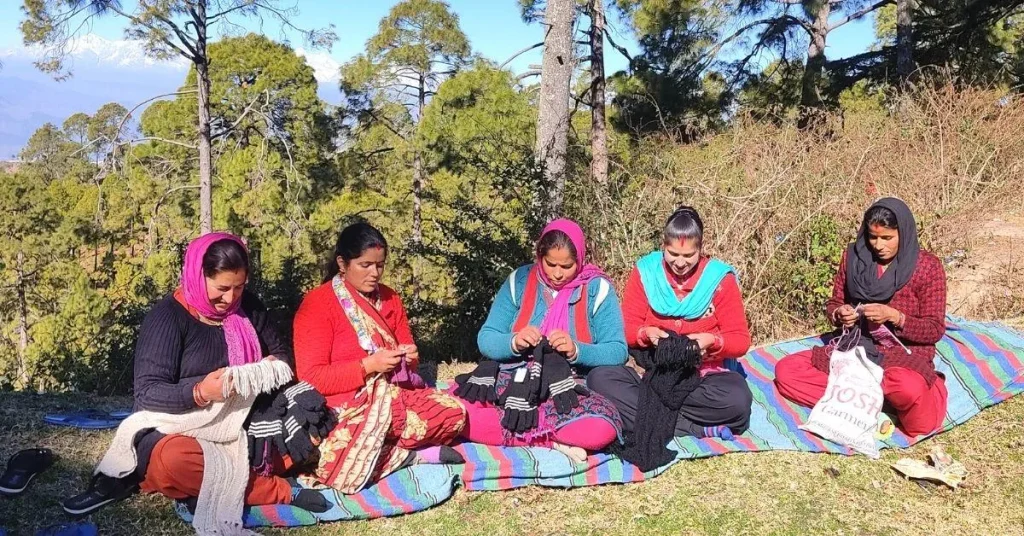
Upon arriving in Khetikhan, Pratibha observed a distinct pattern among local women. During cold winter afternoons, women across the village routinely knit intricate sweaters, caps, socks, and scarves. While their craftsmanship was exceptional, their output was confined strictly to household use or personal gifting. Without access to urban markets or commercial channels, these domestic skills yielded zero financial return for the artisans.
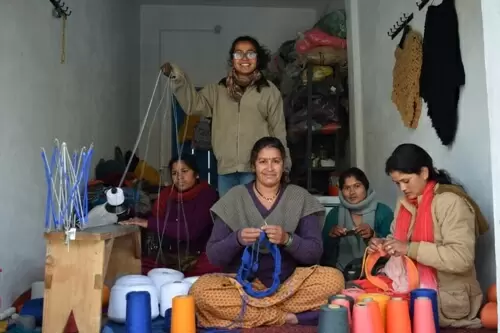
Recognizing the potential to convert an existing household skill into a viable livelihood, Pratibha began working directly with ten local women. She purchased their initial handknitted items, introduced modern design sensibilities, and assisted them in finding buyers across urban centers. What started as an informal pilot project quickly gained momentum as neighboring villagers saw the tangible economic benefits of their craft.
Building Himalayan Blooms From the Ground Up
When the fellowship concluded and the supporting partner organization proved unable to take the project forward, Pratibha faced a defining decision. Rather than returning to a comfortable corporate trajectory in Bengaluru, she moved back to Uttarakhand in 2016, committing to remain in Khetikhan until the initiative could stand independently on its own feet.
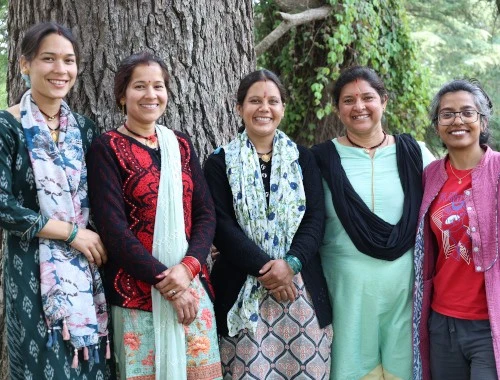
Together with the local artisans, she co-founded Himalayan Blooms, a social enterprise dedicated to producing high-quality knitted and crocheted products. Pratibha deliberately shifted the focus from simple charity to rigorous capacity building. She trained the women not only in refining their crafting techniques but also in core business operations, teaching them how to log orders, manage bookkeeping, handle inventory, calculate costs, and manage logistics
Preserving Pahadi Heritage Globally
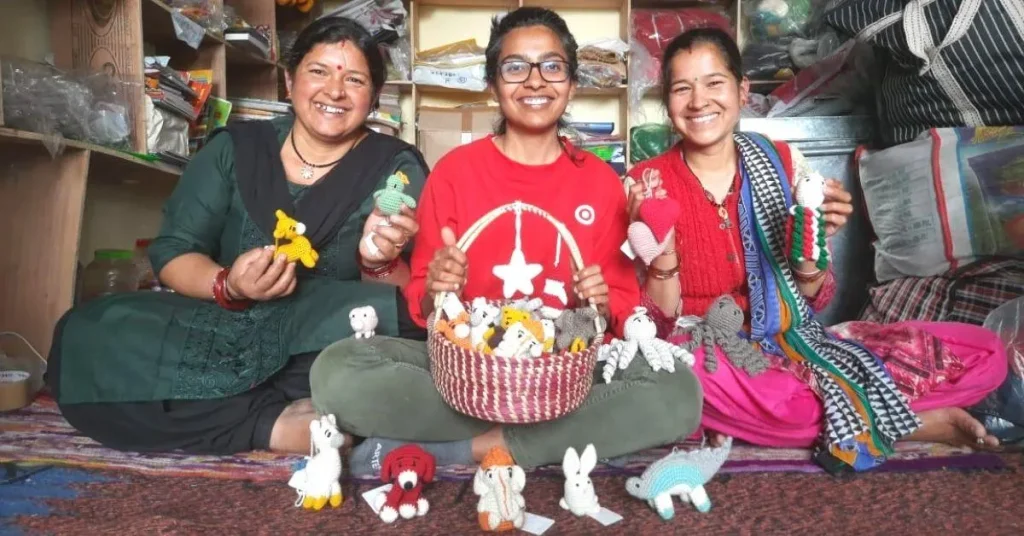
Beyond financial earnings, Himalayan Blooms plays a vital role in preserving traditional mountain craftsmanship while adapting to modern eco-conscious consumer trends. Every handknitted sweater, scarf, beanie, and crocheted plush toy is crafted using sustainable yarns that honor regional Uttarakhand textile heritage.
By building an independent e-commerce store and establishing direct retail channels across major metro hubs and international markets, the venture successfully eliminated predatory middlemen. This direct-to-consumer model ensures that maximum profit margins flow back directly into the hands of the mountain artisans, proving that traditional heritage crafts can compete dynamically in a global digital economy..
Financial Independence and Operational Autonomy
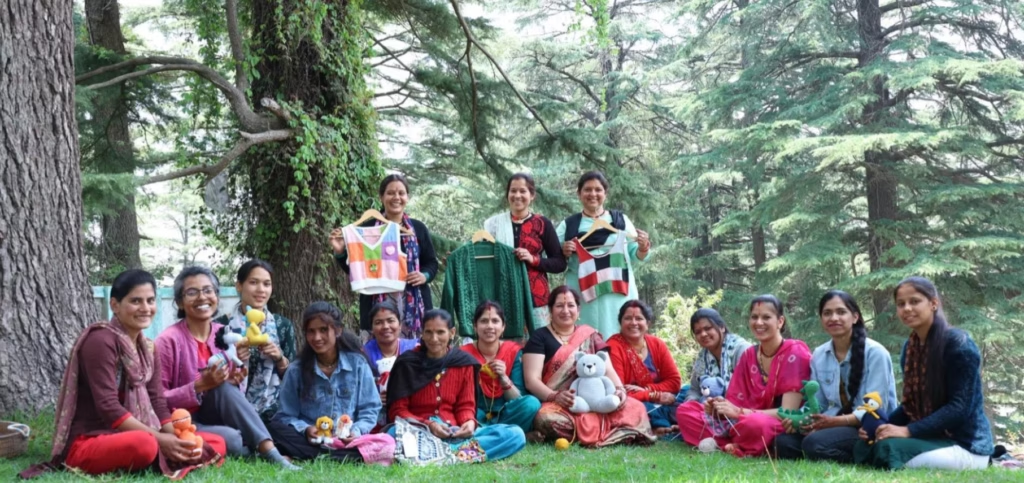
The impact of this structured approach proved transformative. By 2021, Himalayan Blooms had connected more than 200 women across 40 mountain villages, generating an annual revenue of ₹15–20 lakh. Artisans involved in the enterprise reported monthly earnings ranging between ₹7,000 and ₹10,000; a substantial income stream in rural Uttarakhand that enabled women to contribute directly to healthcare, children’s education, and household savings.
The true test of the venture’s sustainability came during the COVID-19 pandemic. When movement restrictions prevented external coordination, the local women managed Himalayan Blooms entirely on their own for six consecutive months. Operating independently, they processed orders, managed inventory, updated their website, and maintained social media outreach, proving that true empowerment lies in ownership and skill transfer.
The Logical Indian’s Perspective
Pratibha Krishnaiah’s journey with Himalayan Blooms demonstrates that rural development does not always require introducing foreign skills, it requires recognizing existing local talents and bridging the gap to modern markets. By pairing traditional craftsmanship with operational training and direct market access, she helped rural women transition from unpaid domestic workers into confident business operators. When grassroots initiatives prioritize genuine self-reliance over continuous dependency, economic independence flourishes naturally across entire communities.
How can government rural development schemes better integrate private market linkages to scale traditional artisan collectives across remote regions in India?
Also Read: 1308 Water Bodies, 18 Lakh lives: How Amla Ruia Is Transforming Rajasthan Water Conservation


