




A personal tragedy transformed an Ayodhya cycle mechanic into a humanitarian who spent decades performing the last rites of thousands of unclaimed people, ensuring dignity in death regardless of religion.
Born and raised in Faizabad (now Ayodhya), Uttar Pradesh, Mohammed Sharif popularly known as Shareef Chacha turned one of the darkest moments of his life into a lifelong mission of service. After losing his eldest son in 1992 and witnessing the indignity faced by unclaimed bodies, Sharif dedicated himself to ensuring that no person would be denied a respectful farewell simply because they had no one to claim them.

Over nearly three decades, his work earned him the Padma Shri, India’s fourth-highest civilian honour, recognising a quiet but extraordinary commitment to humanity that transcended religion and social divisions.
Turning Personal Grief into a Mission of Humanity
Mohammed Sharif’s journey began with an unimaginable personal loss. His son, Mohammad Raes Khan, went missing in 1992 while working away from home. After searching for weeks, Sharif learnt that his son had died, but he was never able to give him a proper farewell. The experience left a lifelong scar and reshaped his purpose.
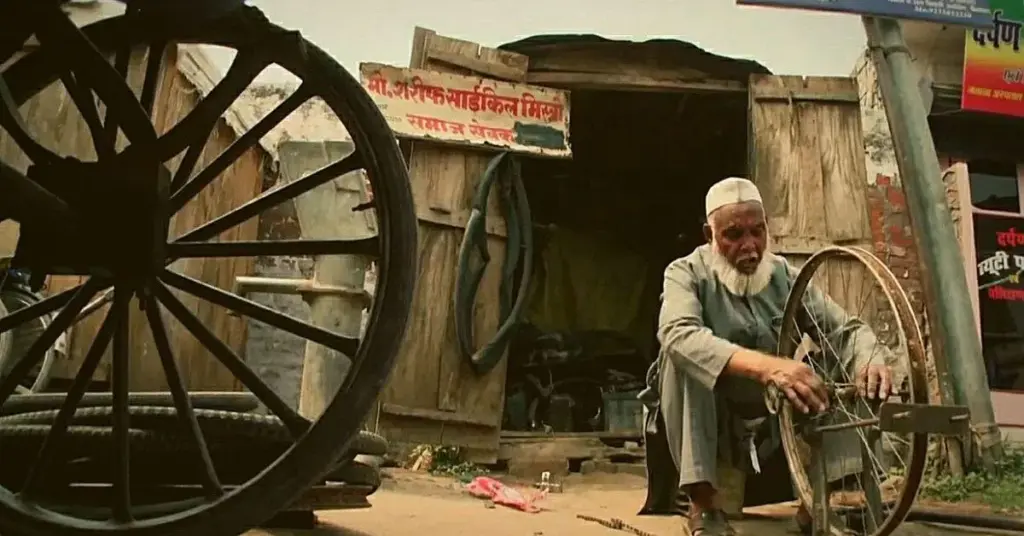
Soon afterwards, Sharif witnessed unclaimed bodies being disposed of without dignity. Determined that no other family should endure such pain, the cycle mechanic began visiting police stations, hospitals, railway stations and mortuaries to enquire about unidentified bodies. Whenever no relatives came forward, he personally arranged the final rites according to the deceased person’s faith, ensuring Hindus were cremated and Muslims were buried with equal respect.
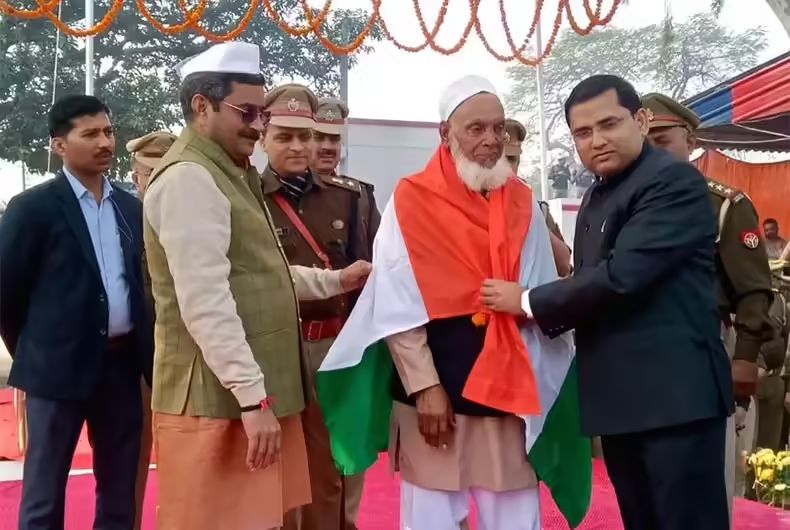
Working with limited financial resources and often relying on donations, Sharif carried out this service quietly for decades. What began as one man’s response to grief gradually became a humanitarian mission that restored dignity to thousands of forgotten lives.
From Quiet Service to National Recognition
For years, many people struggled to understand Sharif’s work, with some even dismissing him for spending his time caring for strangers. Despite the challenges, he remained committed, supported by his grandson and a small network of volunteers who helped transport bodies and organise funerals.
His decades of selfless service eventually received national recognition when he was awarded the Padma Shri in 2020 under the Social Work category. The honour acknowledged not only the thousands of dignified funerals he had conducted but also the powerful message behind his work that every human being deserves respect in death, regardless of identity, religion or economic status.
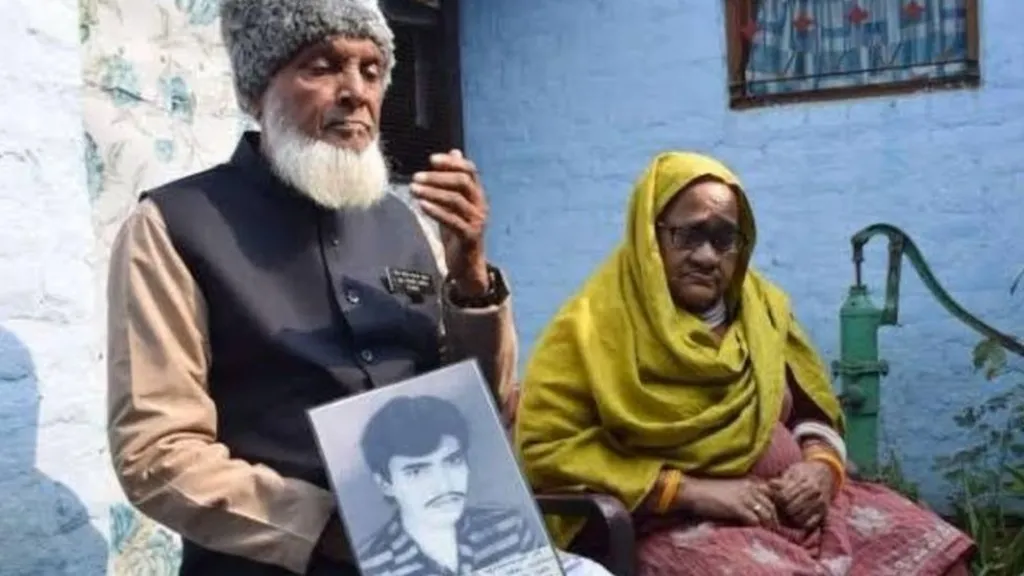
Today, Mohammed Sharif’s story continues to inspire conversations about compassion, communal harmony and the importance of treating every life and every death with dignity.
The Logical Indian’s Perspective
Stories like Mohammed Sharif’s remind us that extraordinary social impact often begins with an ordinary act of compassion. His journey demonstrates how personal grief can be transformed into lifelong public service, offering dignity to those who had no one left to stand beside them. In a society where divisions often dominate public discourse, his work quietly affirmed a simple truth: humanity comes before identity.
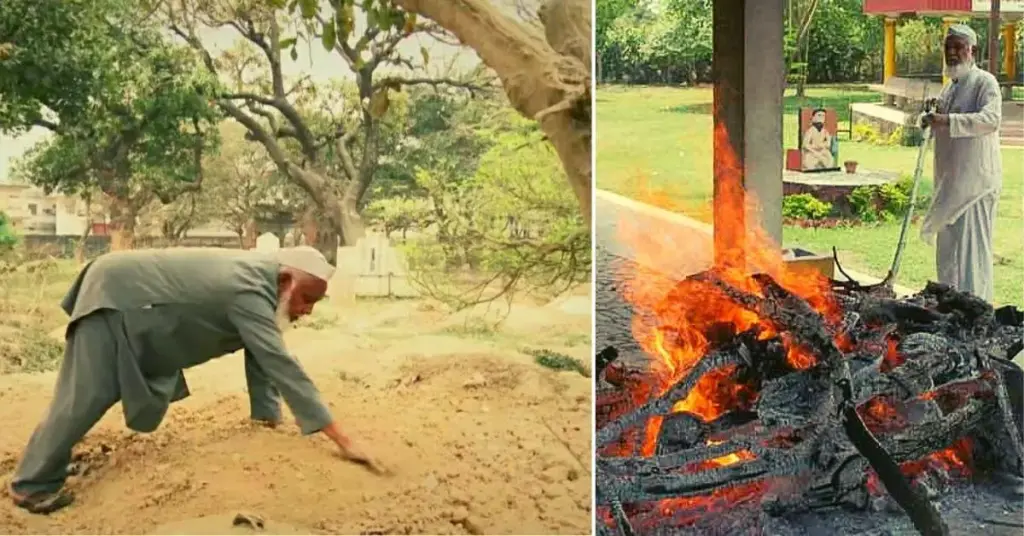
As India continues to strengthen social welfare systems and community participation, Sharif’s legacy underscores the value of individual responsibility, empathy and volunteerism. His life shows that meaningful change does not always require institutions or resources sometimes it begins with one person choosing to care when no one else does.


