




Jharkhand-based environmental engineer Gaurav Anand, through his Swachhatapukare Foundation, is transforming invasive water hyacinth into premium handloom sarees while restoring polluted waterways such as the Swarnarekha River. The initiative reportedly supports over 450 rural and tribal women with safe, flexible livelihoods and promotes circular economy-based production, combining ecological restoration with sustainable income generation.
From Invasive Weed to Sustainable Fashion Innovation
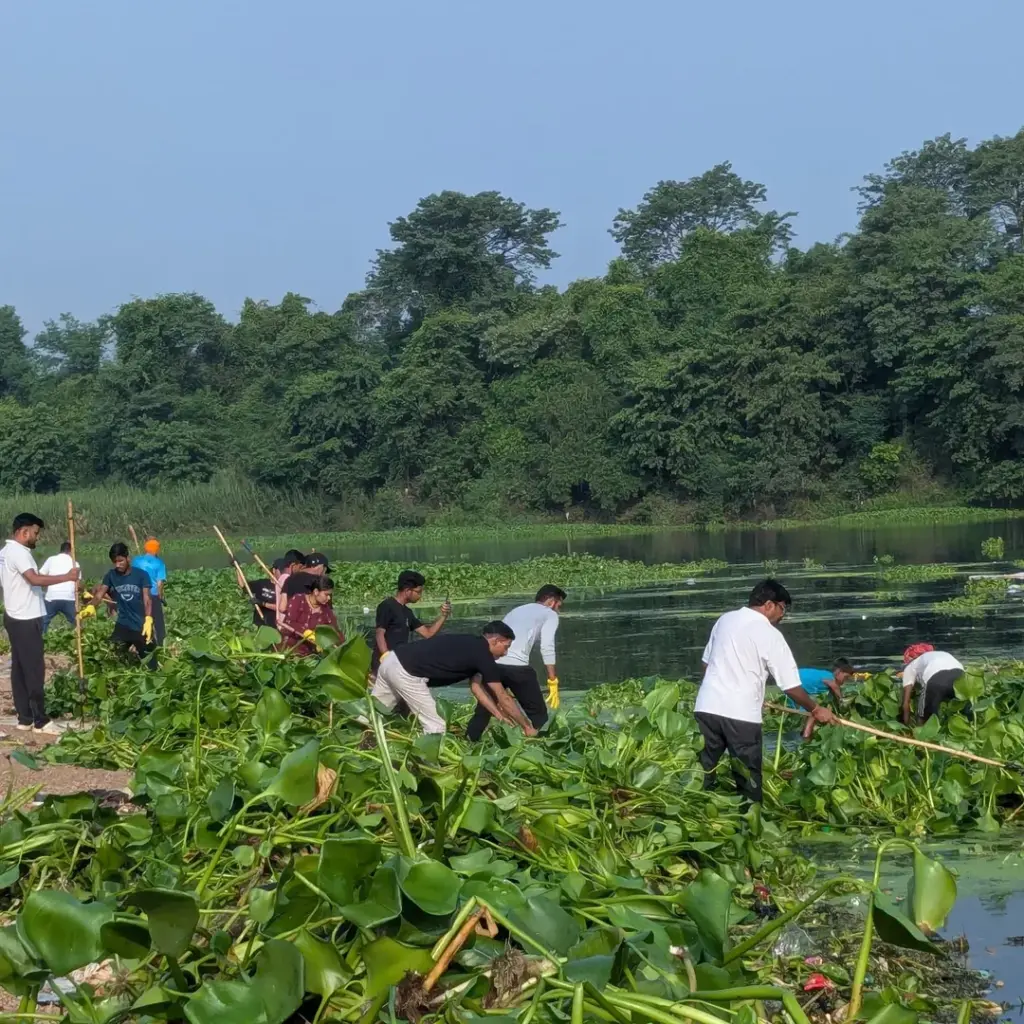
Jharkhand-based engineer Gaurav Anand is turning water hyacinth, widely known as the “Terror of Bengal,” into premium handloom fusion sarees. The invasive aquatic plant, which clogs rivers, reduces oxygen levels, and disrupts biodiversity, is being repurposed into eco-friendly textile fibre. Through his Swachhatapukare Foundation, Anand and his team harvest the weed from local water bodies, process it into fibre, and weave it into handcrafted sarees and other sustainable products. Each saree reportedly utilises around 25 kg of water hyacinth, directly contributing to cleaner waterways while creating a marketable eco-product.
A Journey Rooted in River Exploration and Purpose
Anand’s transition into environmental restoration was inspired by a transformative 1,500-kilometre river-rafting expedition that exposed him to the scale of river pollution and ecological degradation in India. After a 16-year corporate career, he decided to dedicate himself fully to environmental work. In 2019, he founded the Swachhatapukare Foundation in Jamshedpur, Jharkhand, with the aim of restoring aquatic ecosystems and creating sustainable livelihood opportunities through innovation.
What began as a local initiative has gradually expanded across multiple states, including West Bengal, Chhattisgarh, Punjab, and Delhi. The foundation’s work focuses on removing invasive aquatic plants from rivers and ponds and converting them into usable, value-added products. Beyond sarees, the organisation also produces notebooks, mats, bags, and lampshades, incorporating traditional art forms such as Bastar and Dokra designs. This integration of heritage crafts with environmental innovation has helped position the initiative within the broader conversation on sustainable fashion and circular economy practices.
Expanding Circular Economy and Livelihood Impact
The initiative reportedly supports over 450 rural and tribal women, providing them with safe, flexible, and home-based work opportunities. Many of the women are able to balance domestic responsibilities while earning a steady income, with monthly earnings reportedly reaching up to ₹12,000 depending on output. By decentralising production and allowing materials to be processed at home, the model also reduces barriers to participation, particularly for women in underserved communities.
The foundation’s approach is rooted in circular economy principles, where waste is not discarded but repurposed into valuable goods. According to Anand, the goal is to change perceptions around water hyacinth, encouraging people to view it not as a nuisance but as a resource. He has emphasised that environmental restoration and livelihood generation must go hand in hand for long-term impact.
The venture has also gained commercial traction, with eco-friendly products reportedly reaching international markets such as France and Italy. From cleaning the Swarnarekha River in Jharkhand to building a global footprint, the initiative reflects how local environmental solutions can scale when innovation is combined with purpose.

The Logical Indian’s Perspective
This story highlights a powerful example of how environmental degradation can be addressed through empathy-driven innovation. Instead of treating invasive species solely as waste, this initiative demonstrates how they can be integrated into productive systems that benefit both ecosystems and communities. It also reflects the importance of reimagining development models that do not separate environmental health from human well-being.
At a time when water pollution and ecosystem decline remain pressing challenges across India, such models offer a hopeful direction grounded in circular economy thinking. However, scaling such initiatives will require stronger ecosystem support, policy encouragement, and wider public awareness to ensure long-term sustainability.
Ultimately, this initiative invites us to rethink how we define “waste” and “value” in our everyday systems. Can community-led circular economy models like this become a mainstream solution for India’s growing environmental challenges, or will they remain isolated pockets of innovation?


